By Margaret K. Libby and Leticia C. Miranda
Bad Bunny’s Super Bowl halftime show–the first one all in Spanish–has been generating much commentary after Super Bowl 60. A less noted first in the Super Bowl experience was an ad promoting “Trump Accounts,” a new federal program making something similar to traditional IRA accounts available to all children born during his second term. The federal government will deposit an initial $1,000 per child. Account funds, which become available at age 18, can be used for higher education, homeownership, business creation, or saved for retirement. Investing in every child born in this country: what’s not to love? As the saying goes, the devil is in the details.
This milestone legislation, which came in one of the ugliest pieces of legislation for low-income Americans despite its name, was celebrated in Washington, DC, late last month, with Nicki Minaj on hand pledging to contribute to the accounts. Last December, billionaires Michael and Susan Dell pledged a tax-deductible charitable contribution of $6.25 billion for up to 25 million children under age 10 growing up in communities with median incomes below $150,000, amounting to a $250 deposit for each child. Families can contribute up to $5,000 annually, and employers $2,500, with state and local governments and philanthropists also able to contribute. While philanthropist and employer contributions are tax-deductible, those of parents are not.
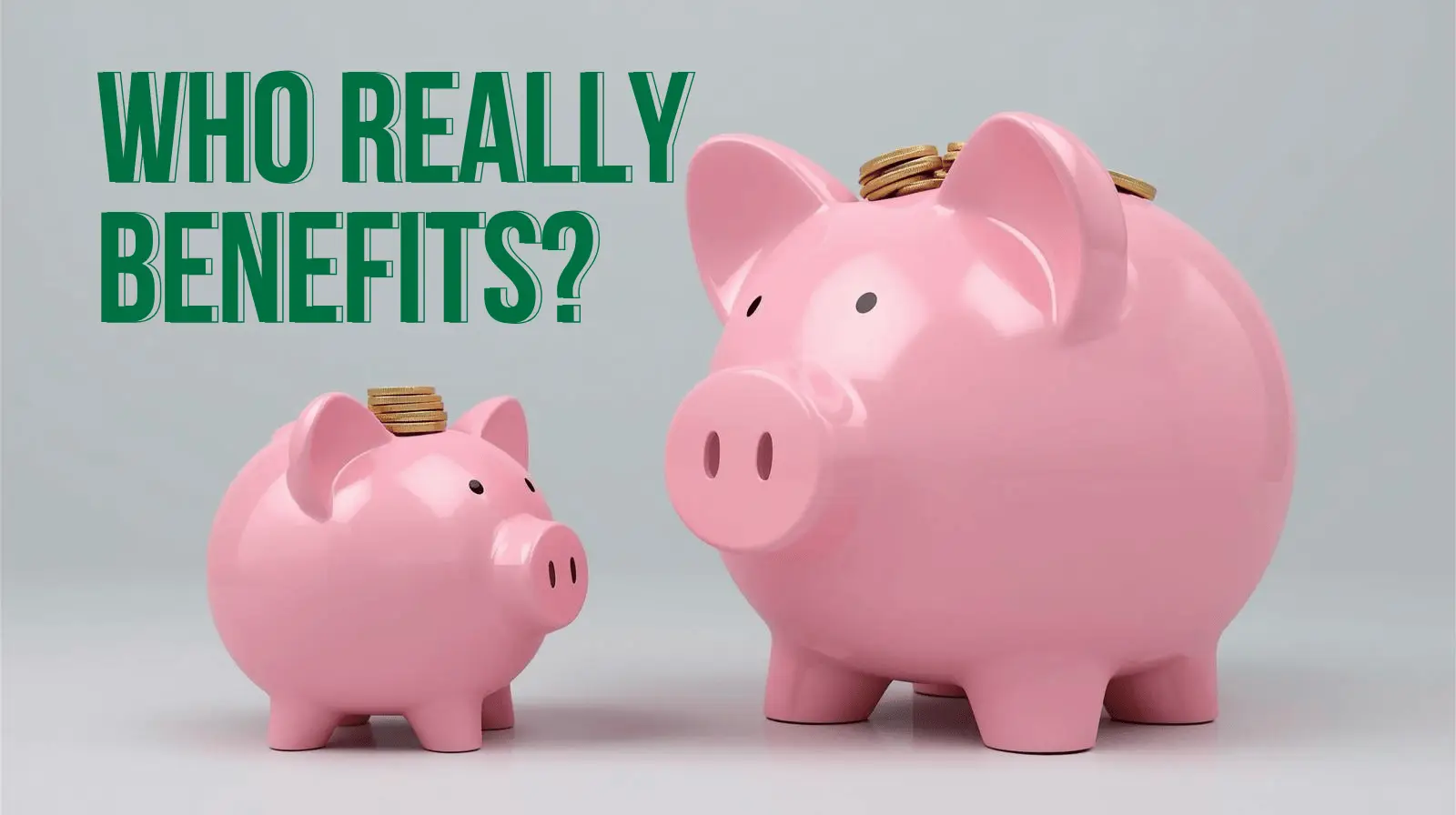
What is wrong with a federal account that enables millions or billions of private investments in low-income children? A lot. For starters, if we are serious about building a program that encourages early saving and investing among all children and their families, especially low-income children, we must create a program that will actually do that. Trump Accounts’– also referred to as 530A Accounts, due to the IRS section that defines them – current design falls quite short of this purpose and will likely result in the $1,000 nest egg never reaching the children who need them most and stand to benefit from them the most. If the U.S. Treasury Department doesn’t incorporate key evidence-based design changes, this program will amount to nothing more than a handout to families who are already positioned to save and invest and do not need a $1,000 deposit from the government to get started. In other words, it will exacerbate the existing wealth gap, not address it.
The most important design elements of an effective early wealth-building program are no mystery. Such accounts have been tested, and we know how to make them truly work for every child. The program needs to be universal; in other words, for every child. 530A accounts are not, as they exclude many U.S. citizen children with a requirement that both parents have Social Security numbers; and many immigrant families are living in fear of potential data sharing between ICE and Treasury’s IRS, presenting a serious access barrier for these children. Second, in order for every child to participate, the program needs to be opt-out; in other words, enrollment needs to be automatic (versus opt-in) to ensure that all children have access to the opportunity to start early. 530A accounts are not. They are opt in. And, finally, to reduce inequality, the program needs to be progressive; in other words, to offer larger deposits to children of lesser means. 530A accounts are not.
We know how to make these kinds of programs work because this concept is not new; the catalysts for our nation’s first child savings program were young people from the Mission District of San Francisco in 2008. These young advocates, supported by pioneering nonprofit MyPath – providing youth with the knowledge and tools to build wealth and economic power – urged then-Mayor Gavin Newsom to create a Baby Bonds program. Their idea, and early investment from Citi, ultimately became Kindergarten to College (K2C), a program that has increased college enrollment among underrepresented public school students by 12%.
Since K2C’s launch in 2011, other similar programs have sprung up around the country. Oklahoma’s long-running child savings account experiment demonstrates why design matters. After 14 years, 95% of automatically-enrolled families held accounts—with average balances over $4,300—compared to only 5% of families required to opt in. Voluntary participants skewed whiter and higher-income, while automatic enrollment reached a population that reflected the state overall. Other benefits emerged too: participating mothers reported lower rates of depression and greater optimism, with one commenting “I now have hope for the future.”
Leveraging the nearly two decades of field experimentation and evidence, practitioners, researchers, young people and economists, such as Darrick Hamilton, have been advocating for progressive federal accounts to be automatically established at birth. These efforts resulted in Baby Bonds legislation sponsored by Senator Cory Booker and Representative Ayana Pressley, first introduced in 2019 and for several years since. In 2023, Connecticut created the closest version, with larger deposits for low-income newborns, and funds managed by the state in a trust, a truly public program, unlike the proposed 530A accounts.
Lessons from San Francisco and Oklahoma among others make it clear what makes programs effective for all children. Without the three most important design changes– universal, automatic enrollment, and progressive deposits– we know that children from lower-income and immigrant backgrounds will largely not benefit, while children from wealthier households are more likely to see their accounts grow, exacerbating wealth inequality rather than narrowing it. If the design of the 530A Accounts doesn’t change, it will remain a handout to the well-off, sure to exacerbate the racial wealth gap, inside a bill that might more aptly be called the Big Beautiful Bilk.
The Treasury Department is now seeking public comment on proposed regulations. If you feel strongly about making the 530A Accounts better, please consider submitting your comments. Details and priority questions are available online here, and comments are due February 20, 2026.
About the authors:
Margaret Libby is the founder and CEO of MyPath, a San Francisco nonprofit helping youth from under-resourced communities find their path to building wealth.Leticia C. Miranda is a consultant specializing in research and communications for financial security initiatives.